Owning land in Southern Oregon means having a front-row seat to some of the region’s most striking natural beauty—rolling hillsides, expansive valleys, and a climate that shapes the landscape in powerful ways. But with that beauty also comes a responsibility that every landowner eventually faces: protecting the ground beneath their feet. Soil erosion is not just a cosmetic issue; it can permanently alter your property, degrade its value, and threaten the usability of the land you’ve worked hard to maintain. Whether you’re managing rural acreage, preparing a site for development, or simply trying to preserve the long-term integrity of your property, effective erosion control solutions in Oregon are essential.
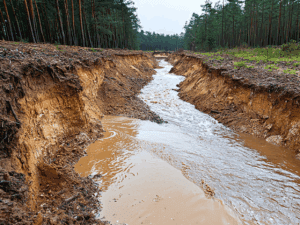
 Southern Oregon’s pattern of dry summers followed by heavy seasonal rains can quickly wash away exposed or weakened soil. The result? Slope failure, sediment buildup, waterlogging, and long-term property damage. The good news is that with planning, the right strategy, and professional guidance, you can safeguard your land for decades to come.
Understanding the Core Principles of Erosion Control
Erosion control is fundamentally about slowing, redirecting, or preventing the movement of soil. Wind, water, and gravity are the three forces that cause erosion, but in Southern Oregon’s terrain, water is often the most destructive. Heavy rainfall, runoff, or changes in water flow due to development can quickly destabilize unprotected soil.
Effective erosion control relies on a combination of key principles:
1. Protecting the Soil Surface
Bare soil is vulnerable soil. Whenever possible, vegetation, mulch, gravel, or engineered coverings should be used to shield the ground from direct rainfall. This helps absorb impact, slow water flow, and reduce sediment movement.
2. Managing Water Flow
Water always follows the path of least resistance. If that path runs across bare soil or steep slopes, erosion is likely to occur. Proper drainage—whether through diversion ditches, grading, swales, or subsurface systems—is essential to control where water goes and how quickly it gets there.
3. Stabilizing Slopes
Steep or unstable slopes often require more than just vegetation. Techniques such as terracing, contouring, retaining structures, and rock reinforcement can strengthen the slope and prevent soil displacement during high-rainfall events.
4. Establishing Long-Term Vegetation
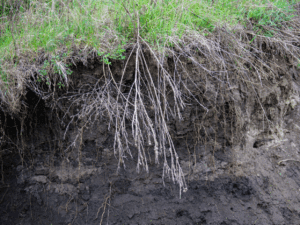
Deep-rooted grasses, native shrubs, and other plants help anchor the soil and act as a natural erosion control system. Vegetation works hand-in-hand with other techniques to provide lasting stability.
These principles form the backbone of erosion control, but every property requires its own customized mix of short-term and long-term solutions.
Common and Effective Methods for Southern Oregon
Because soil types, weather patterns, and land use vary throughout the region, many landowners rely on a combination of methods to protect their property fully. Some of the most widely used and effective approaches include:
Vegetative Stabilization
Planting vegetation is one of the simplest and most sustainable solutions. The roots bind the soil, while the foliage provides shade and reduces soil compaction and moisture loss. For long-term stability, native plants often perform best.
Mulching and Ground Cover
Applying straw, bark, compost, or other organic materials over bare ground provides immediate protection to the soil. Mulch slows down the impact of rain and runoff while helping seeds take root.
Erosion Control Blankets and Fiber Rolls
These temporary but highly effective tools help hold the soil in place while vegetation establishes itself. They are instrumental after excavation, construction, or land clearing.
Slope Regrading and Terracing
For steep or uneven terrain, reshaping the slope can dramatically reduce erosion. By creating level or gently graded surfaces, water flow becomes more controlled and less forceful.
Rock Riprap and Structural Reinforcement
In areas with concentrated water flow—such as drainage channels, culverts, or near water features—large rock or engineered walls may be necessary to prevent washouts.
Drainage Management Systems
Sometimes erosion prevention is less about the soil and more about the water. French drains, culverts, diversion ditches, and other drainage solutions help direct water safely away from vulnerable areas.
Southern Oregon’s climate and terrain make these methods particularly valuable when used together as part of a thoughtfully designed erosion control plan.
Why Professional Erosion Control Matters
While landowners can handle some erosion control efforts themselves, many properties require the expertise of professionals who understand the complexities of soil behavior, grading, and drainage. Erosion is not always apparent—problems often begin below the surface or in areas where water flow subtly changes over time.
A professional evaluation helps ensure:
- Accurate assessment of soil stability and risk areas
- Proper design and construction of drainage or stabilization systems
- Compliance with local regulations and environmental standards
- Efficient installation that prevents problems rather than reacting to them
- Long-term protection instead of temporary fixes
Because poorly implemented erosion control can worsen the problem, investing in an experienced team is both cost-effective and practical.
Why Choose Excavation Oregon?
Excavation Oregon specializes in delivering reliable, long-lasting erosion control solutions in Oregon, tailored to the unique needs of landowners in Southern Oregon. Our team understands the region’s soils, slope patterns, drainage challenges, and seasonal weather conditions—knowledge that is critical for building durable solutions.
Whether your property needs slope stabilization, drainage improvement, grading, excavation support, or a comprehensive erosion control strategy, Excavation Oregon brings the equipment, expertise, and local insight required to safeguard your investment.
We don’t just prevent erosion—we help landowners maximize the usability, safety, and value of their property for years to come. Contact us today!