

If you own land in Oregon, you already know this state’s terrain can be breathtaking — and challenging. Rolling hills, rocky ground, dense clay soils, and heavy seasonal rainfall can all create serious obstacles when you’re trying to improve your property. And while the natural landscape may have drawn you to the land in the first place, it can also cause problems like pooling water, washed-out slopes, and erosion that worsens each year. That’s where excavating levels on your property becomes more than a construction term — it becomes a smart strategy for protecting your investment and making your land more usable for the long haul.
At Excavation Oregon, we work with property owners who want to build a home, expand a driveway, create a safe outdoor living area, or simply stop the ongoing battle with runoff and muddy conditions. One thing always becomes clear quickly: leveling and terracing land is not just about appearances. It’s about controlling how water moves, strengthening your landscape’s stability, and preventing small drainage issues from becoming expensive disasters.
The Truth About Water: It Always Wins (Unless You Plan Ahead)
Water is relentless. It doesn’t care about your landscaping plans, your new gravel driveway, or the slope behind your backyard. It follows gravity, seeks the easiest route, and builds momentum as it moves. If your property has steep grades or uneven terrain, water can carve channels, strip away topsoil, and create gullies that grow deeper each season.
This is exactly why professional excavation and grading are so important. When you’re excavating levels on your property, you’re shaping the land with a purpose: to slow water down, redirect it safely, and prevent it from gathering speed and causing damage.
A properly leveled or graded property reduces the likelihood of standing water near structures and helps protect areas like foundations, access roads, landscaping beds, and work zones. It also supports better drainage systems, allowing swales, culverts, and runoff paths to do their job more effectively.
Terracing: Turning Slopes Into Strong, Usable Space
When a property has a steep slope, it can feel like half the land is “unusable.” Walking across it is difficult. Building on it is risky. Landscaping becomes a constant maintenance issue. Terracing is one of the most effective solutions to reclaim that space.
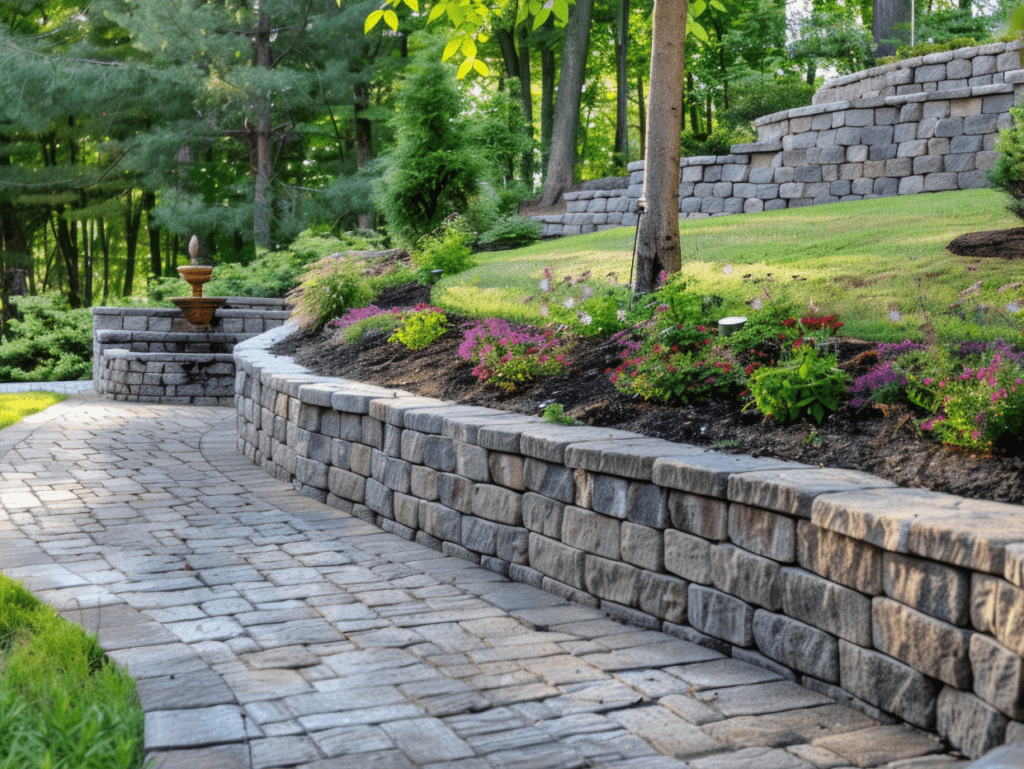
Terracing works by carving the slope into a series of level or gently sloped steps. Instead of one long, steep hill that encourages fast-moving runoff, terraces interrupt the flow of water and reduce its erosive force. The result is a property that is safer, more stable, and easier to develop.
Terraced levels can also be designed to create practical zones for:
-
Gardens and planting beds
-
Outdoor patios and seating areas
-
Driveway expansions
-
Equipment pads or storage areas
-
Building sites for future structures
But terracing isn’t a DIY weekend project. It requires precise equipment, experienced operators, and an understanding of how soil behaves once it’s been cut, moved, and compacted.
Erosion Control Starts With the Right Excavation Plan
Erosion is often misunderstood as “just a little dirt moving around.” In reality, erosion can quickly compromise the structural integrity of your property. It can undermine slopes, shift landscaping, and create drainage patterns that lead water straight into areas you’re trying to protect.
Professional excavation helps control erosion by improving slope stability and shaping land in ways that support long-term durability. When we’re excavating levels on your property, we’re thinking beyond the immediate result. We’re considering what will happen after months of rain, freeze-thaw cycles, and natural settling.
A well-prepared property can prevent:
-
Soil loss and washed-out areas
-
Deep ruts and uneven ground
-
Drainage problems that worsen over time
-
Damage to nearby roads, driveways, and structures
Prepping for Retaining Walls: Where Precision Really Matters
Retaining walls can be a game-changer for sloped properties, especially when terracing is involved. They help hold soil in place, create defined levels, and provide long-term support for landscaping and development.
However, retaining walls only work when they’re built on properly prepared ground. If the excavation work underneath is uneven, unstable, or poorly compacted, the wall is more likely to fail.
This is where Excavation Oregon brings true value to the process. Before retaining wall installation, we prepare the site by creating level benches, removing unstable material, and shaping the terrain to support both the structure and proper drainage behind it. Because retaining walls aren’t just fighting gravity — they’re also resisting the pressure of wet soil and runoff.
A professional excavation approach ensures the wall has the right foundation and the surrounding land is graded to keep water moving in the right direction.
The Long-Term Value of Doing It Right the First Time
There’s a big difference between moving dirt and engineering stability. Professional excavation gives property owners confidence that their land is being improved with purpose, precision, and long-term performance in mind.
When you choose Excavation Oregon for excavating levels on your property, you’re not just paying for equipment — you’re investing in expertise that helps protect your property from drainage damage, erosion, and costly rework.
Your land should work for you, not against you. If you’re ready to create stable, functional levels, control runoff, and prep for retaining walls the right way, Excavation Oregon is here to help you shape your property with confidence.