
Living in the beautiful, remote regions of Southern Oregon is a dream for many. The area’s scenic landscapes, abundant wildlife, and sense of solitude offer a unique lifestyle that can feel like an escape from the fast-paced world. However, with such remoteness comes logistical challenges, especially when it comes to accessing essential resources like water. Public water utilities may be unavailable in these locations, making an on-site water tank the key to sustainable living. This article explores how you can live remotely with on-site water storage in any area in Southern Oregon and how Excavation Oregon can help you get set up properly.
How Water Solutions Provide You with the Freedom You Desire
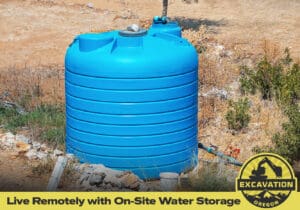 Water is a critical resource, and having a reliable supply can be a challenge for those living in remote areas. Public water lines don’t often extend into rural or off-grid locations, so property owners must find alternative ways to access water. One of the most practical solutions is installing an on-site water storage tank, which allows homeowners to store large amounts of water that can be used for household needs, irrigation, and even fire protection.
By installing a water tank, residents can collect rainwater, store delivered water, or capture well water for future use, ensuring a consistent water supply regardless of drought conditions or seasonal changes. In Southern Oregon, where wildfire risks are significant, having access to stored water for firefighting can also be a lifesaving measure. On-site water tanks provide flexibility and security, making remote living more comfortable and sustainable. Simply put, you’re no longer constrained to developed areas but instead can live remotely with on-site water storage now readily available.
Site Preparation and Excavation to Live Remotely with On-Site Water Storage
Installing a water tank in a remote location often requires significant excavation work, especially if the property owner wishes to place the tank underground or on a slope for gravity-fed water systems. The process involves clearing the site, leveling the ground, digging trenches for water lines, and ensuring proper drainage to avoid flooding around the tank during heavy rains.
This is where Excavation Oregon excels. With years of experience in Southern Oregon’s unique terrain, the team at Excavation Oregon offers comprehensive services for water tank installations, including:
- Site Evaluation: Excavation Oregon evaluates your property to determine the ideal location for your water tank. Factors like soil composition, slope, accessibility, and proximity to other structures are all considered to ensure optimal placement.
- Excavation Services: Whether you need a concrete pad for an above-ground tank or trenches for underground piping, Excavation Oregon has the expertise and equipment to handle any excavation challenges. They specialize in working in remote and hard-to-reach areas, making them the go-to experts for Southern Oregon’s rugged landscape.
- Tank Installation: Excavation Oregon can assist with both above-ground and underground tank installations. For underground tanks, they ensure that the excavation site is properly prepared with adequate backfill and drainage systems, reducing the risk of tank shifting or water pooling around the tank.
Considerations for Selecting a Water Solution
Choosing the right water storage tank involves several factors that property owners in Southern Oregon must consider. From the size and material of the tank to its placement and maintenance, making the right choices can ensure the system meets a family’s needs for years to come.
1. Tank Size
The size of the water storage tank is one of the most critical decisions. For households, the size will depend on water consumption needs, the number of occupants, and intended uses (drinking, cooking, cleaning, irrigation, etc.). In general, the larger the tank, the better. A 5,000-gallon tank is standard for residential use, but some property owners may opt for even larger tanks, particularly if they need water for irrigation, livestock, or fire protection.
If the property uses well water, a larger tank allows for longer periods between refilling, giving the well more time to recharge. Similarly, for those relying on rainwater harvesting, a large tank can capture and store enough water to sustain the household through dry months.
2. Tank Material
Water storage tanks come in a variety of materials, each with its benefits and drawbacks:
- Polyethylene (Plastic): These tanks are lightweight, affordable, and easy to install. They are also resistant to rust and corrosion, making them a popular choice for residential water storage.
- Fiberglass: Fiberglass tanks are more durable than polyethylene tanks, and they are resistant to extreme temperatures and UV damage, making them ideal for outdoor use in sunny climates like Southern Oregon.
- Steel or Metal: Steel tanks, particularly those with a protective coating, are highly durable and can withstand harsh environmental conditions. They are often used for larger-scale water storage or fire protection.
Property owners must weigh the pros and cons of each material based on their specific needs, budget, and site conditions.
3. Tank Placement
The placement of the water tank is equally important. Tanks must be located on stable, level ground and should be placed close to the water source, whether it’s a well, rainwater catchment system, or water delivery access.
- Elevation: Elevating the tank above the property can help increase water pressure, reducing the need for additional pumps.
- Proximity to Structures: The tank’s proximity to the house and other structures should be considered. While it’s convenient to have water that is easily accessible, tanks should also be placed in areas that minimize risks from wildfire, flooding, or other natural disasters.
- Fire Protection: For those living in fire-prone areas, it’s recommended that water tanks be installed in accessible locations for firefighting vehicles. Placing tanks in shaded areas can also help maintain water quality by reducing the risk of algae growth.
With Excavation Oregon’s Help, You Can Live Remotely with On-Site Water Storage Solutions
For those who want to live off the grid or in remote areas of Southern Oregon, it’s possible to live remotely with on-site water storage solutions. Excavation Oregon provides the expertise needed to install and maintain water tanks, ensuring residents have access to this vital resource no matter how remote their property is. From helping select the right tank to performing the excavation and installation, Excavation Oregon is committed to delivering quality service tailored to the unique demands of Southern Oregon living.
By working with ExcavationOregon, property owners can enjoy the peace of mind that comes from knowing their water storage system is professionally installed. This allows them to embrace the freedom and beauty of remote living without sacrificing the essentials. Contact Excavation Oregon today to schedule an estimate for your project.