
 Southern Oregon offers a unique combination of environmental beauty, a growing commercial sector, and moderate seasonal climates—ideal for expanding businesses through commercial development. However, when it comes time to begin excavations for commercial developments, strategic timing is everything. Choosing the right time of year can save time, reduce costs, avoid regulatory delays, and protect the integrity of your project. This guide walks you through the seasonal considerations, environmental factors, and professional insights you need to make the best scheduling decision for your excavation project in Southern Oregon.
How Seasons Impact When to Begin Excavations for Commercial Developments
Before digging in—literally—it’s essential to understand that excavation is foundational to any commercial development. From site preparation to utility installation, the initial groundwork must be completed with precision and proper planning.
Excavation in Southern Oregon is influenced by a variety of factors:
- Seasonal weather patterns
- Soil saturation and erosion risk
- Permit availability and timelines
- Wildfire risk periods
- Environmental protection regulations
Starting your project at the right time of year gives your team an advantage in managing all these variables effectively.
Why Spring Is Often the Ideal Time to Begin Excavations

Late March to early June is typically one of the best windows to begin excavations for commercial developments in Southern Oregon. Here’s why:
- Soil Stability: After the winter rains taper off, the ground is moist but not saturated, allowing excavation equipment to work efficiently without causing excess soil disturbance or compaction.
- Moderate Weather: Daytime temperatures are warming, but the scorching heat of summer has not yet arrived, making it easier for crews to work long hours and avoid weather-related shutdowns.
- Permit Processing: Many counties open their spring building seasons with better permit processing timelines. You’ll face fewer delays if your application is submitted in early Q2.
- Scheduling Advantage: Starting in spring means your project can continue through summer with fewer weather disruptions, possibly even completing before fall rains return.
Pro Tip: Excavation Oregon advises developers to begin planning and obtaining permits in winter, so excavation can start promptly in early spring.
Summer: Peak Productivity but Increased Challenges
June through early September is peak construction season in Oregon, and many commercial developers take advantage of the long daylight hours and dry conditions.
Benefits:
- Dry Ground: Excellent soil workability and stability make excavation easier and faster.
- Fewer Rain Delays: Minimal precipitation means consistent scheduling and productivity.
 Challenges:
- Dust Control Requirements: Dry conditions can lead to air quality regulations requiring active dust suppression.
- Higher Demand: Excavation crews, equipment, and subcontractors are often booked months in advance. Prices may also peak due to high demand.
- Wildfire Risk: In some areas, commercial sites must comply with fire danger protocols that can limit engine use or require fire suppression equipment on site.
Excavation Oregon can help mitigate these issues with proactive project management, ensuring fire safety protocols are followed and dust mitigation measures like water trucks are in place.
Fall: A Transition Window with Shortening Opportunities
Mid-September through November can be a valuable yet narrow window to begin excavations for commercial developments, especially for smaller or fast-moving projects.
Advantages:
- Moderate Temperatures: Cooler weather makes physical work more bearable for crews.
- Potential Cost Savings: Off-peak pricing may apply for equipment and services as demand decreases post-summer.
 Limitations:
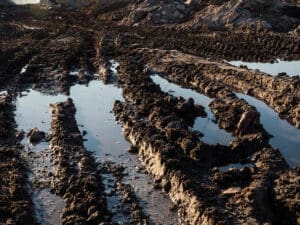
- Unpredictable Rainfall: Sudden storms or early seasonal rains can cause muddy conditions and work stoppages.
- Tighter Deadlines: Developers often aim to complete ground work before the weather turns and permitting offices slow down for the holidays.
For fall starts, Excavation Oregon recommends tighter scheduling and contingency planning to adjust for possible rain events.
Winter: The Least Ideal Season—But Not Impossible
December through early March is generally not recommended for beginning excavation unless absolutely necessary. However, certain site preparation activities or erosion control measures can still be completed under the right conditions.
Drawbacks:
- Excessive Rainfall: Saturated soil makes excavation extremely difficult, increasing the risk of equipment getting stuck and damaging the site.
- Frozen Ground: In higher elevations, frozen soil can delay or damage excavation equipment.
- Permit Processing Delays: Government agencies may operate at reduced capacity during the holidays, slowing down approval timelines.
Exceptions:
If you’re working on a tight schedule and winter is your only window, Excavation Oregon can assess your site for limited-scope work such as erosion control installation, tree clearing, or foundational marking that complies with environmental regulations.
Additional Timing Considerations for Southern Oregon
- Environmental Regulations & Wetlands: Many parts of Southern Oregon include protected ecosystems and sensitive habitat areas. Excavation permits may require mitigation plans, timing restrictions to protect wildlife breeding seasons, and stormwater management systems.
- Access Road Conditions: For rural or forest-adjacent properties, consider the road condition. Unpaved roads may become impassable in winter or early spring, requiring improvements before equipment can access the site.
- Local Events and Agricultural Schedules: In regions where tourism or farming play a big role, heavy equipment access may need to be coordinated around community calendars and harvest seasons.
- Soil Type and Slope: Certain geological conditions are more prone to erosion. Scheduling excavation in drier months can help reduce slope instability and runoff risks.
Work with an Experienced Commercial Excavation Partner
Timing matters—but having an experienced excavation partner is what makes your plan successful. Excavation Oregon brings decades of experience with large-scale commercial excavation across Southern Oregon, helping clients:
- Schedule efficiently around seasonal patterns
- Obtain permits and meet regulatory timelines
- Design erosion control and drainage solutions
- Manage soil transport and site logistics
When it’s time to begin excavations for commercial developments, partnering with Excavation Oregon ensures you won’t just dig on time—you’ll dig right.
Plan early. Dig smart. Build with confidence.
Contact Excavation Oregon today to discuss your commercial development timeline and excavation strategy.