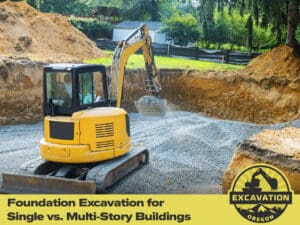
 Few steps are more critical when preparing a construction site for a new building than excavation. The excavation phase lays the groundwork—literally—for a structure’s longevity, safety, and compliance. However, not all excavation projects are created equal. One of the most significant variables affecting excavation requirements is the number of stories a building will have and whether the structure is residential or commercial. These factors influence foundation depth, soil stability requirements, equipment needs, and project timeline. Understanding foundation excavation will help you create a realistic residential or commercial building project plan.
At Excavation Oregon, we specialize in large-scale residential and commercial excavation projects throughout Southern Oregon. With years of experience working with general contractors, developers, and landowners, we understand the intricacies of preparing sites for everything from single-story homes to multi-story commercial complexes. Here’s what sets these excavation projects apart—and why experience counts when choosing the right excavation partner.
Foundation Excavation: Why It Varies by Building Type and Height
The foundation of a building serves as the structural base that supports the entire weight of the structure above. A single-story home requires less structural support than a five-story apartment building or a three-story office complex. The higher or heavier the structure, the more complex the excavation process becomes. Below are the core differences that influence how excavation is approached.
1. Load-Bearing Requirements
Single-Story Structures: A single-story home or building typically requires less load-bearing structure. As a result, foundations for these buildings are often shallower and may use simpler systems like slab-on-grade or crawl space foundations. These require less soil removal and site disturbance.
Multi-Story Structures: Multi-story buildings—whether residential or commercial—place significantly more pressure on the foundation. This increased load requires deeper excavation to support stronger foundation systems like mat foundations, drilled piers, or caissons. Excavation must extend below the surface to reach undisturbed, load-bearing soil or rock, especially in regions with poor surface soil conditions.
 2. Soil Stability and Testing
 2. Soil Stability and Testing
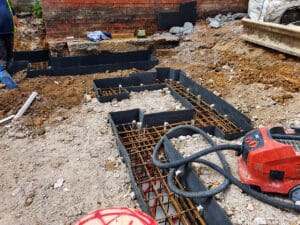
Soil conditions directly impact how deep and wide an excavation must go. For taller buildings, soil testing (via geotechnical investigation) is essential to assess load-bearing capacity and identify potential issues like clay content, water tables, or fill materials.
Residential Single-Story Projects: While soil testing is still recommended, particularly in certain parts of Oregon, the risk involved in poor soil performance is relatively low for a one-story home. Basic compaction and grading may be sufficient to meet code requirements.
Multi-Story Residential or Commercial Projects: In these cases, extensive soil testing and engineering assessments are required. Excavators must ensure the soil can support the structure over time without shifting, settling, or collapsing. This may necessitate soil reinforcement, importation of engineered fill, or the use of retaining systems to stabilize the excavation site.
3. Excavation Depth and Retaining Needs
Excavating for a shallow foundation is vastly different than digging deep for a multi-story building, especially in areas with sloped terrain or loose soils.
Single-Story: Excavation depth might only reach 12–24 inches for slab foundations or 2–4 feet for crawl spaces and basements, depending on frost line requirements and soil conditions. Retaining systems are rarely required unless the property sits on a steep incline.
Multi-Story: Depending on the foundation design, excavation can exceed 10 feet or more. When digging to these depths, safety becomes a top priority. Shoring systems, trench boxes, or soldier pile walls may be used to prevent cave-ins. Additionally, the project may require significant coordination with neighboring properties or utility systems.
4. Access and Equipment
Multi-story commercial and residential projects demand larger equipment, greater manpower, and more strategic planning.
Residential Single-Story: Smaller equipment, such as mini excavators and backhoes, are often sufficient. These machines are agile and easier to use in tight residential lots.
Multi-Story Residential and Commercial: Heavy-duty excavators, bulldozers, and hauling equipment are needed to manage the volume of material being removed. Additionally, staging areas and access routes must be carefully planned to allow for consistent movement of equipment and debris in and out of the job site, often while coordinating with other trades and site constraints.
5. Utility Coordination and Code Compliance
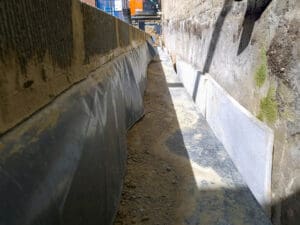 Single-Story: Smaller projects often involve basic utility trenching for water, sewer, gas, and electrical. While these still require accuracy and code compliance, the scope is typically limited.
Multi-Story: Commercial and high-density residential buildings demand more extensive utility infrastructure. Stormwater management, fire suppression lines, telecommunications, and high-capacity power and sewer systems must all be excavated and placed to precise specifications. These projects are subject to more complex permitting and inspection requirements at both local and state levels.
Why Experience Matters in Excavation Projects
Every excavation project requires a thoughtful approach, but the margin for error gets smaller as the size and scope of a project grows. That’s why working with an experienced, licensed, and insured excavation company like Excavation Oregon makes all the difference.
Here’s what our clients count on us to provide:
- Comprehensive Site Evaluation: Before digging begins, we assess topography, drainage, access, and soil conditions to ensure your project starts on the right foot.
- Experienced Crew and Equipment: Our skilled operators and modern fleet of heavy machinery are prepared for any size job—from single foundations to multi-building developments.
- Regulatory Knowledge: We stay current on all state and local building codes, environmental regulations, and safety practices, minimizing delays and avoiding costly mistakes.
- Coordination with Other Trades: We work seamlessly with engineers, surveyors, and general contractors to ensure timelines are met and issues are resolved early.
- Custom Solutions: No two projects are the same. Whether you’re building a home on a rural hillside or developing a commercial complex downtown, we provide tailored excavation strategies to fit the site.
Foundation excavation is the first major step in bringing a building to life—and one of the most important. The difference between a properly excavated site and one with errors or oversights can cost thousands of dollars in repairs, delays, or even compromise the safety of your structure.
Whether you’re preparing to build a single-story residence or a multi-level commercial property, Excavation Oregon brings the expertise, equipment, and professionalism your project needs. With our deep knowledge of Oregon’s terrain, soil profiles, and construction requirements, we deliver results you can trust—on time and on budget.
Contact us today to schedule a consultation for your next excavation project. Let’s build something solid—starting from the ground up.